
Best Acrylic Beads for Jewelry Making in 2026
Table of Contents
- Quick Comparison: Best Acrylic Beads for Jewelry Making
- 16 mm Acrylic Soda Beads: Versatile Starter Pack
- Acrylic vs Glass Beads for Jewelry: Which Works Better
- Focal Bead Options: Acrylic Coffee Cup, Lemon Lime, and Character Designs
- How to String Acrylic Beads Without Damage
- Durable Acrylic Bead Finishes: Glossy, Glitter, and Opaque Options
- Choosing the Right Bead Size and Shape for Your Project
- Frequently Asked Questions
Last Updated: September 3, 2026
Quick Comparison: Best Acrylic Beads for Jewelry Making
Finding the best acrylic beads for jewelry making requires understanding three key factors: bead quality, finish durability, and material compatibility. At Barkers Creative Designs, we know what separates quality from filler.
Acrylic beads offer versatility, affordability, and vivid color options that glass or crystal alternatives simply can't match at the same price point. Whether you're stringing your first bracelet or running a handmade business, the right beads make the difference between a project that lasts for years and one that falls apart after two weeks.
Product |
Size |
Count |
Price |
Best For |
|---|---|---|---|---|
16 mm |
10 pack |
$3.00 |
Beginners, pen charms, keychains |
|
16 mm Glossy Glitter Beads |
16 mm |
10 count |
$2.50 |
Eye-catching focal designs |
Acrylic Coffee Cup Focals |
Varied |
1 bead |
$1.00 |
Themed projects, coffee lovers |
Acrylic Lemon Lime Focals |
Varied |
1 bead |
$1.00 |
Bright, trendy designs |
12 mm x 18 mm Football Beads |
12 x 18 mm |
Individual |
$0.40 |
Sports-themed accessories |
Below, we'll walk you through the top acrylic bead options, explain how they compare to glass alternatives, and show you how to prevent scratches and damage when stringing.

16 mm Acrylic Soda Beads: Versatile Starter Pack
The 16 mm acrylic beads are the workhorse of DIY jewelry projects. Large enough to be visible and impactful, yet small enough to work with standard stringing materials and spacer beads, they hit the sweet spot for most crafters.

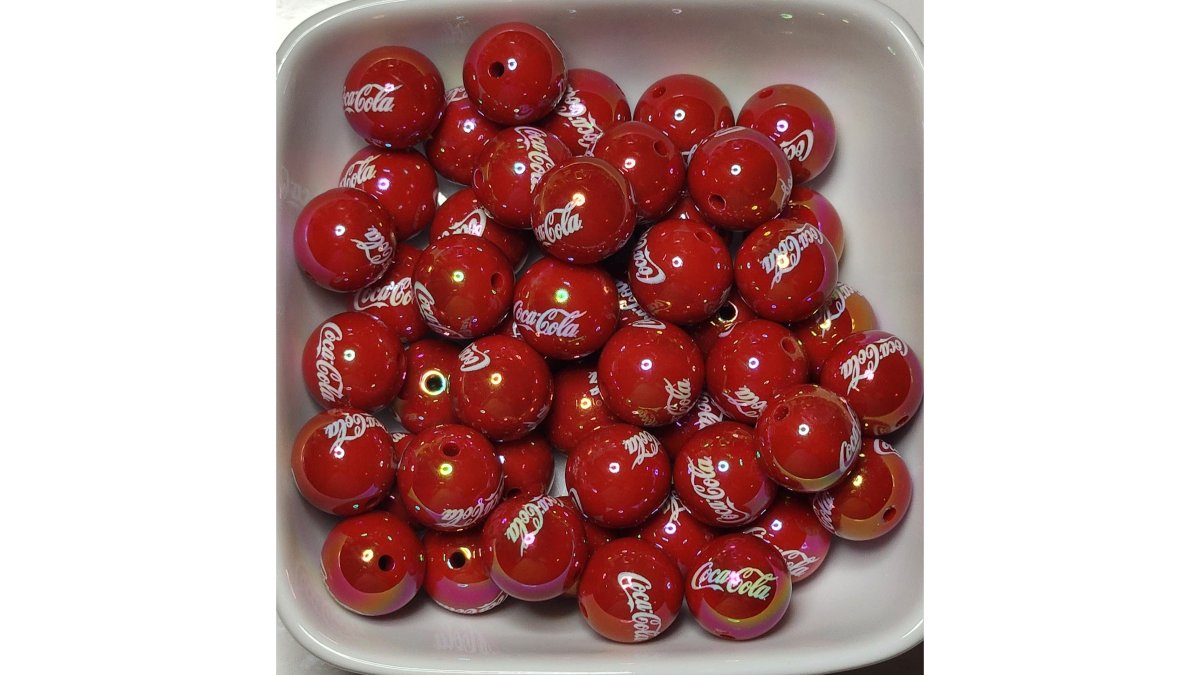
At just $3.00 for a 10-pack from Barkers Creative Designs, these beads offer genuine value without sacrificing quality. Each bead is lightweight, which matters when creating wearables that won't strain a wrist or neck. The soda finish gives them a smooth, polished appearance that works equally well in minimalist designs or colorful combinations.
What makes these beads reliable: the bead hole size is consistent, so you won't fight with stringing materials. They work with standard 0.8 mm cord, elastic thread, and fishing line. The acrylic construction resists chipping better than cheaper plastic alternatives.
Common use cases include beaded pens, cup charms, and keychains. Crafters pair these with spacer beads, findings, and silicone beads to create cohesive designs. The vivid colors, reds, blues, purples, and pastels, make them ideal for projects where you want visual impact without complexity.
Acrylic finishes can show fingerprints more readily than glitter or opaque finishes. A quick wipe with a soft, dry cloth keeps them looking fresh.
Acrylic vs Glass Beads for Jewelry: Which Works Better
Acrylic and glass beads serve different purposes. Choosing between them depends on your project goals and budget.
Weight matters more than most guides admit. Acrylic beads are significantly lighter than glass or crystal. For wearables like bracelets and necklaces, this is a genuine advantage. A bracelet made from 30 glass beads can feel heavy after a few hours; the same design in acrylic feels comfortable all day.
Durability differs by impact resistance. Glass beads are harder and more scratch-resistant, but they're brittle. Drop a glass bead on tile and it shatters; drop an acrylic bead and it bounces. For jewelry that gets daily wear, especially items made for kids, acrylic's impact resistance often wins.
Color vibrancy is where acrylic shines. Acrylic beads can be manufactured with more saturated, vivid colors than glass. Pigments are infused throughout the bead rather than applied as a coating, so color doesn't fade or chip with wear. Glass beads with metallic finishes can lose their sparkle over time; acrylic's color stays true.
Cost is acrylic's biggest advantage. A 10-pack of quality acrylic beads runs $2-3. Glass beads at the same size typically cost $5-8 per 10-pack. For bulk projects or business inventory, acrylic is the economical choice.
Transparency and clarity favor glass. If you need crystal-clear, faceted transparent beads, glass wins. Acrylic can be transparent, but the optical clarity isn't identical.
Stringing compatibility is easier with acrylic. Because acrylic is softer, you can use a wider range of stringing materials without worrying about the material cutting through your thread.
For most DIY crafters, acrylic is the practical choice. For high-end jewelry meant to last decades, glass may justify the cost.
Focal Bead Options: Acrylic Coffee Cup, Lemon Lime, and Character Designs
Focal beads are the statement pieces of jewelry design. They're larger, more detailed, and often feature character designs or bold colors that anchor the entire composition.
Barkers Creative Designs carries several acrylic focal bead collections priced at $1.00 individually, making them accessible for both hobbyists and business owners.
Acrylic Coffee Cup Focal Beads ($1.00) appeal to anyone who identifies with coffee culture. These lightweight beads feature a charming coffee cup design that works beautifully in keychains, wristlets, cup charms, and lanyards. They pair especially well with warm-toned silicone beads, cream, caramel, and rust tones, to create a cohesive café-inspired aesthetic.
Acrylic Lemon Lime Focal Beads ($1.00) bring bright, summery energy to any project. The vivid citrus colors work in themed jewelry collections or as standalone statement pieces. They're particularly effective in designs targeting a younger audience or in seasonal collections.
Acrylic DP Focal Beads ($1.00) and Acrylic Flower Focal Beads (10-count mixed, $2.50) expand your design vocabulary. DP beads feature decorative patterns, while flower focals add botanical charm to keychains and bracelets.
The real advantage of acrylic focals: they're lightweight enough that even large, detailed designs won't strain the wearer. A glass focal of the same size would make a necklace uncomfortably heavy. Acrylic also allows manufacturers to create intricate character designs without the production costs and fragility concerns of glass.
When designing with focal beads, let the focal dominate. Use smaller spacer beads, solid-color accent beads, and minimal findings to draw attention to your focal rather than competing with it.
How to String Acrylic Beads Without Damage
Stringing acrylic beads incorrectly leads to scratches, cracks, and premature failure. A few technique adjustments prevent most damage.
Use the right stringing material. Thin, sharp-edged materials like fishing line or unpadded wire can scratch acrylic beads during stringing. Instead, use 0.8 mm elastic cord, padded beading wire, or soft nylon thread. These materials glide smoothly through the bead hole without friction. Elastic cord is especially forgiving for beginners.
Protect the bead hole. The bead hole is where most damage occurs. If using wire, wrap the end with tape or use a bead stopper to prevent fraying. When threading elastic or cord, use a needle with a smooth, rounded tip, never a sharp needle that could create micro-scratches.
Avoid excessive tension. Pulling cord too tightly while stringing can create stress fractures inside the bead. Pull cord snug enough to hold the bead in place, but not so tight that the bead deforms slightly. This is particularly important with spacer beads.
Work on a clean surface. Dust and debris can scratch beads as you manipulate them. Use a soft cloth or beading mat to contain your materials and prevent beads from rolling across rough surfaces.
Handle focals with care. Store larger focal beads separately from smaller beads to prevent rubbing. When stringing, position focals last so you're not repeatedly pushing other beads past them.
Test your design before finalizing. String a prototype and wear it for a day or two to check for pressure points where cord might fray or where beads might rub uncomfortably. Make adjustments before creating your final piece.
Durable Acrylic Bead Finishes: Glossy, Glitter, and Opaque Options
Not all acrylic bead finishes are created equal. The finish affects durability, appearance, and how well the bead holds up to daily wear.
Glossy finishes are smooth and polished, giving beads a professional, refined appearance. The 16 mm Acrylic Soda Beads feature a glossy finish that reflects light subtly. They're durable for everyday wear, though they can show fingerprints more readily than other finishes.
Glitter finishes embed sparkle directly into the acrylic surface. The 16 mm Glossy Glitter Acrylic Beads 10-count mixed bag ($2.50) offers vivid colors with embedded glitter that catches light from multiple angles. Glitter finishes are durable because the glitter is integrated into the bead, not applied as a coating. They don't shed or fade with normal wear, though they can accumulate dust in the textured surface.
Opaque finishes are solid, non-transparent beads with a matte or semi-matte appearance. These finishes hide fingerprints better than glossy options and work well in minimalist or professional designs. Opaque beads are ideal for creating color-blocked or geometric patterns.
Choosing by durability: For items that will see heavy daily use, opaque finishes are safest because they hide minor wear. For decorative pieces or gifts, glossy and glitter finishes create more visual impact. For focal beads, finishes matter less because the size and design already draw attention.
Care is consistent across finishes: wipe gently with a soft, dry cloth. Keep away from prolonged water exposure. Avoid harsh chemicals or abrasive materials that could scratch the surface.
Choosing the Right Bead Size and Shape for Your Project
Bead size and shape determine how your finished piece looks, feels, and functions.
Standard sizes and their uses:
The 16 mm bead is the most versatile size for jewelry. It's large enough to be a visual statement but small enough to work with standard stringing materials and findings. Most keychains, pen charms, and bracelets use 16 mm as either the primary bead or the focal. The 12 mm x 18 mm football beads offer an elongated alternative for sports-themed designs.
Smaller beads (6-10 mm) work as spacers and accents. Larger beads (20 mm and up) are statement pieces typically used as single focals or in small quantities.
Shape matters for function:
Round beads are the standard for a reason, they work with any stringing material and design aesthetic. Faceted beads add sparkle and visual texture. Shaped beads like the coffee cup or character focals tell a story and work best as focal points rather than spacers.
When mixing shapes in a single project, use the rule of three: one dominant shape (usually round), one accent shape (like faceted spacers), and one focal shape. This creates visual interest without chaos.
Bead hole size affects stringing:
Most acrylic beads have 2-3 mm holes, which accommodates standard 0.8 mm cord and beading wire. Verify hole size if using thicker materials or multiple strands. Smaller holes limit your material options; larger holes risk beads sliding off if your cord is too thin.
Weight considerations:
For wearables, bead weight accumulates quickly. A 30-bead bracelet in acrylic weighs roughly 0.5-1 ounce depending on size. The same design in glass weighs 1.5-2 ounces. For keychains and bag charms, weight is less critical, but it affects how the finished piece feels and hangs.
Choosing the best acrylic beads for jewelry making comes down to matching the material's strengths to your project goals. Acrylic offers affordability, durability, and color vibrancy ideal for both hobbyists and business owners. Quality matters, investing in beads from a trusted source like Barkers Creative Designs ensures consistent sizing, reliable finishes, and colors that stay true through years of wear.
Start with the 16 mm Acrylic Soda Beads 10 pack ($3.00) if you're new to jewelry making. Add focal beads like the Acrylic Coffee Cup Focal Beads ($1.00) when you're ready to create more personalized designs. With the right techniques for stringing and care, your acrylic bead creations will deliver the quality and longevity you deserve.
Jewelry making techniques and best practices from the Craft and Hobby Association
Bead material durability standards from the American Society for Testing and Materials
Consumer guide to acrylic materials and safety from the Consumer Product Safety Commission
Frequently Asked Questions
What are the best acrylic beads for beginners?
Start with 16 mm acrylic beads in standard sizes like the 16 mm Acrylic Soda Beads or Acrylic Cardinal beads. These larger bead diameters are easier to handle, have clearly visible holes for stringing, and work with common beading materials. Beginners benefit from smaller pack sizes (5-10 count) to experiment without overcommitting to bulk quantities. Opaque finishes hide minor stringing mistakes better than transparent beads.
How do you identify high-quality acrylic beads?
Quality acrylic beads have smooth, consistent surfaces with no visible cracks, cloudiness, or rough edges around the bead hole. Check that the hole size matches the stated diameter and isn't off-center. Vivid colors that don't fade quickly indicate proper pigmentation. Durable acrylic bead finishes like glossy and glitter coatings should feel even across the entire bead. Hold the bead up to light: transparent beads should be clear, not murky or discolored.
Are acrylic beads durable enough for professional jewelry?
Acrylic beads work well for professional jewelry when you match the finish and size to the intended use. Glossy and glitter acrylic finishes resist scratching better than matte options. Larger beads (16 mm and up) are more visible and durable than tiny seed beads. Focal beads like the Acrylic Coffee Cup or Acrylic Flower focal beads hold up to regular wear in keychains, wristlets, and cup charms. Lightweight acrylic is ideal for statement pieces where weight matters. For jewelry worn daily against skin, pair acrylic with durable stringing material like beading wire.
How do you clean and maintain acrylic jewelry beads?
Wipe acrylic beads gently with a soft, dry cloth to remove dust and fingerprints. Avoid prolonged water exposure, which can dull the finish over time. Never soak acrylic beads or use harsh chemicals, as these may cause clouding or discoloration. Store finished jewelry away from direct sunlight to prevent color fading. If beads accumulate grime, use a barely damp cloth with mild soap, then dry immediately. For focal beads with detailed designs, use a soft brush to clean crevices without scratching the finish.
This article was written using GrandRanker